
Engineering Energy Storage for Smarter Power Management
WHY BESS
Turn Stored Energy Into Better Energy Management
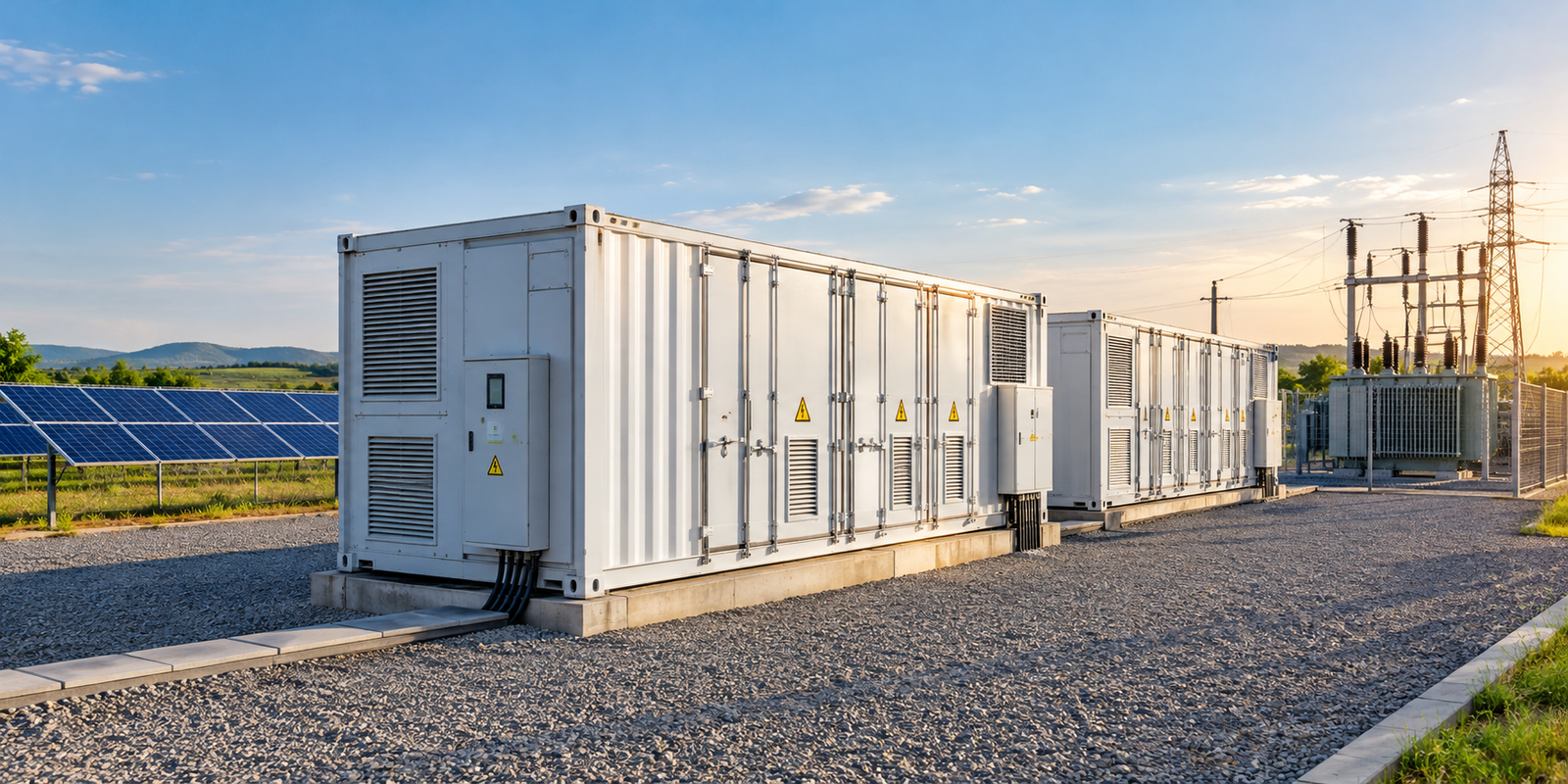
Battery energy storage allows businesses and industries to store electricity when it is available and use it when it is most valuable. When engineered with the site’s load profile, electrical infrastructure and operating requirements, BESS can support peak demand management, solar utilisation, power resilience and more flexible energy use.
- Peak Demand Management
Reduce exposure to high-demand periods through intelligent battery charging and discharge.
- Peak Demand Management
- Solar + Storage
Store surplus solar generation and make it available when demand rises or solar output falls.
- Solar + Storage
- Power Resilience
Support critical loads during selected grid interruptions, subject to system design and configuration.
- Power Resilience
- Smarter Energy Use
Shift energy usage across time to better align generation, storage and demand.
- Smarter Energy Use
OUR BESS SOLUTIONS
Engineered for Your Energy Requirements
We assess your energy consumption, load profile, electrical infrastructure and operating requirements before defining the right storage configuration. Our approach focuses on practical system sizing, safe integration and reliable operation.
1. Peak Demand Management
Battery storage designed to help manage demand peaks and reduce reliance on grid power during high-demand periods.
2. Solar + BESS Integration
Integrate battery storage with solar generation to store surplus energy and use it when demand increases or solar output falls.
3. Energy Time Shifting
Store electricity during suitable periods and discharge it later to better align energy availability with operational demand.
4. Backup & Power Resilience
Support selected critical loads during grid interruptions with appropriately designed storage and power-conversion systems
5. BESS System Integration
Engineering integration of batteries, inverters, controls, protection and electrical infrastructure for safe and coordinated operation.
OUR ENGINEERING APPROACH
Designed Around Your Energy Profile
Every BESS project starts with understanding how energy is generated, consumed and managed at the site. We evaluate demand patterns, electrical infrastructure, solar generation, critical loads and operating objectives to develop a storage solution suited to the application.
01 — Assess
Review energy consumption, demand patterns, electrical infrastructure and project objectives.
02 — Size
Determine appropriate battery power and energy capacity based on the intended application and operating profile.
03 — Integrate
Engineer the connection between BESS, solar, electrical systems, controls and protection.
04 — Commission
Support installation, testing, commissioning and system handover for reliable operation.
BESS APPLICATIONS
Where Energy Storage Creates Value
From industrial facilities to commercial buildings, energy storage can be engineered for different operating requirements. We evaluate the application first, then design the storage strategy around the site’s energy profile.
1 — Industrial Facilities
Manage demand peaks, improve energy utilisation and integrate renewable generation with industrial operations.
2 — Commercial Buildings
Support demand management, energy cost optimisation and more flexible use of stored electricity.
3 — Solar + Storage
Store surplus solar generation and make greater use of renewable energy beyond the hours of solar production.
4 — Critical Loads
Provide appropriately designed backup support for selected essential loads during grid interruptions.
5 — Peak Demand Management
Use stored energy strategically during high-demand periods to help manage the site’s electrical demand.
6 — Renewable Energy Integration
Combine storage with renewable generation to improve energy flexibility and support more predictable energy management.